


Finding Gratitude in the Midst of Loss and Grief: A Journey Forward

Updated: Aug 27
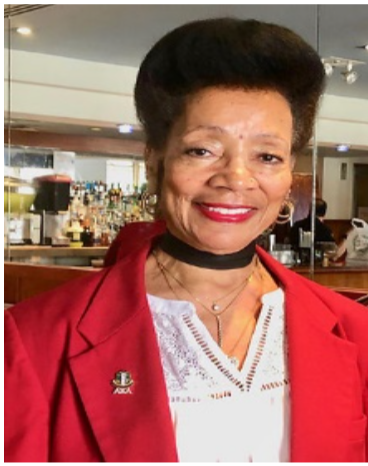
By Charmaine Wilson-Dunn, Alumna, Wilberforce University, Central Michigan University and George Washington University

There is a kind of pain that changes you forever.
Loss has a way of dividing life into two chapters: before and after. Whether
you have lost a child, a parent, a spouse, a friend, or even the life you once
envisioned for yourself, grief can leave you feeling as though the world
keeps moving while your heart remains frozen in time.
I know this journey personally.
Grief is not something we simply “get over.” It becomes a part of our story. It
reshapes us, challenges our faith, tests our strength, and often leaves us
searching for answers that may never come.
Yet even in the darkest moments, I have discovered something unexpected:
gratitude and grief can exist together.
At first, that may sound impossible. How can anyone feel grateful when they
are hurting so deeply?
The truth is that gratitude does not erase our pain. It does not minimize our
loss. It simply helps us recognize that even in our brokenness, there are still
gifts worth noticing.
Understanding Grief
Grief is not a straight path. Some days you may feel strong and hopeful.
Other days, a song, a smell, a photograph, or a memory may bring you to tears without warning.
Grief can show up as:
Sadness
Anger
Confusion
Guilt
Loneliness
Anxiety
Exhaustion
Numbness
Every person’s experience is different, and there is no timeline for healing.
One of the greatest mistakes we make is believing that healing means forgetting.
Healing does not mean leaving our loved ones behind.
Healing means learning how to carry their memory forward while continuing to
live.
The Power of Gratitude During Grief
When we are grieving, our minds naturally focus on what has been lost. Gratitude
gently shifts our attention toward what remains.
This is not about pretending everything is okay. It is
about acknowledging that despite our pain:
We are still here.
We are still loved.
We still have purpose.
We still have opportunities to impact others.
Gratitude helps us recognize the blessings that continue to exist alongside our
sorrow.
Perhaps it is the friend who calls to check on you.
Perhaps it is the sunrise that reminds you God is still at work.
Perhaps it is a cherished memory that makes you smile through your tears.
These moments matter.
They become stepping stones toward healing.
Practical Ways to Practice Gratitude While Grieving
1. Start a Gratitude Journal
Each day, write down three things you are grateful for. Some
days they may seem small:
A warm cup of coffee
A kind text message
A peaceful moment of prayer
Over time, these small blessings begin to reveal the goodness that still exists in
your life.
2. Honor the Memory of Your Loved One
Instead of focusing only on their absence, celebrate their impact. Ask
yourself:
What did they teach me?
How did they make me better?
What legacy can I continue?
Keeping their memory alive can transform pain into purpose.
3. Serve Others
One of the most powerful ways to heal is to help someone else.
When we support others who are hurting, we often discover strength we didn’t
know we had.
Your story may become the encouragement someone else desperately needs.
4. Give Yourself Grace
Not every day will be a good day. Allow
yourself to cry.
Allow yourself to rest.
Allow yourself to feel.
Healing requires compassion toward yourself.
5. Stay Connected
Grief often convinces us to isolate ourselves.
Reach out to trusted friends, family members, support groups, counselors, or
You do not have to walk this journey alone.
A Plan to Move Forward
Moving forward does not mean moving on.
It means carrying your love, memories, and lessons into the next chapter of
your life.
Step 1: Accept Where You Are
Stop judging yourself for how you grieve. Your
feelings are valid.
Your journey is unique.
Step 2: Establish Daily Rhythms
Create simple routines that support your emotional, physical, and
spiritual well-being.
Daily practices might include:
Prayer or meditation
Reading Scripture or inspirational books
Walking outdoors
Journaling
Connecting with loved ones
Consistency creates stability during difficult seasons.
Step 3: Set One Small Goal Each Week
Focus on progress, not perfection.
Examples include:
Attending a support group
Meeting a friend for coffee
Starting a new hobby
Volunteering
Completing a personal project
Small steps create momentum.
Step 4: Find Purpose in Your Pain
Ask yourself:
“What can I do with what I have experienced?”
Sometimes our greatest ministry comes from our deepest wounds.
Your story can become a source of hope, healing, advocacy, and
support for others facing similar challenges.
Step 5: Practice Gratitude Daily
End each day by asking:
What brought me peace today?
What made me smile today?
What blessing did I receive today?
Even on the hardest days, there is often something worth noticing.
Final Thoughts
If you are grieving today, know this:
You are not alone.
Your pain is real.
Your loss matters.
Your loved one matters.
And while the road ahead may feel uncertain, there is still hope.
Gratitude will not remove the ache in your heart, but it can help illuminate the
path forward.
One day at a time.
One breath at a time.
One step at a time.
May you find comfort in your memories, strength in your faith, and gratitude for
the love that remains.
Because love never truly leaves us.
It simply changes form and continues to live within our hearts. With
Love
Charm
Charmaine Dunn is the owner and CEO of Charm’s Consulting Services, LLC. Her passion is helping others achieve success. She launched Charm’s Consulting Services, LLC in October 2016. Charmaine’s wisdom, knowledge, and more than 30 years of federal government service includes working for the Department of Defense, GSA, and U.S. Department of Education, and the White House Faith-Based Initiative. These combined experiences, along with her knowledge and passion for supporting, serving, and assisting others is phenomenal, along with her love for the least, the lost, and the left out –specifically our youth in underrepresented communities, ignite fire in her belly.
She is affectionally known as the lady who is focused on Making a difference, Adding value, and creating change through transformation, aka the “MAC Lady”. She completed her Bachelor of Science in Management at the first African American private institution, Wilberforce University. She obtained her
master’s degree in Business from Central Michigan University, and a master’s Certification in Project Management from George Washington University. Charmaine has a John Maxwell Certification and
Coaching Certification from the Society of Life Coaches. Charmaine is also the co-founder of the Wilson and Armstrong Foundation.
Charmaine was honored as one of the Professional Organization of Women of Excellence Recognized (P.O.W.E.R) and selected as a Woman of Empowerment. She received the President’s Award from President Barack Obama for the National Combined Federal Campaign and has received various meritorious service awards from the federal government for superior work performance and outstanding
achievements. Charmaine was honored in the National Association Dean’s List, and Who’s Who for Academic Achievement.
Charmaine continues to volunteer her time serving others. She is a dedicated member of True Visionaries, Women of Incarcerated Loved Ones (WILO), the National Museum of African American History, Professionals Who’s Who, and Autism Speaks.


Comments